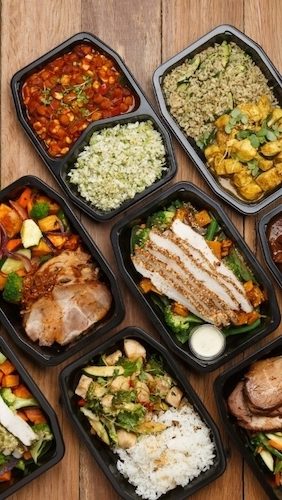
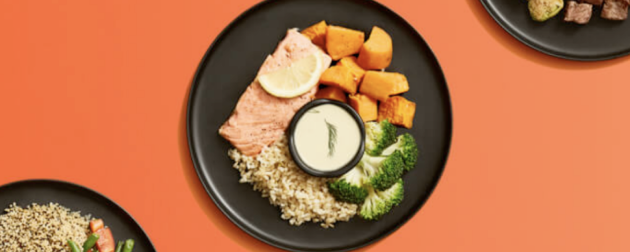
Frozen meals have evolved significantly, offering high-quality, nutrient-dense options. Advances in freezing technology help retain freshness, vitamins, and minerals, making frozen meals a viable alternative to fresh meals.
How Do Frozen Meals Compare to Fresh Options?
-
Freezing preserves nutrients, but some meals may contain preservatives or added sodium for shelf life.
-
Fresh meals may taste better but have a shorter expiration date.
Key Nutritional Considerations
-
Protein Content – Protein is essential for muscle maintenance and general health and wellbeing. If you are an active individual, Dietlicious‘ high protein meals are a great option.
-
Sodium Levels – Some frozen meals are high in sodium, which can be detrimental to your health if consumed in excess. Look for options with lower sodium content, and consider adding fresh or frozen vegetables to increase the meal’s nutritional value. Avoiding adding additional salt when serving. Some great low-sodium frozen meal delivery services include Dietlicious and Gourmet Meals.
-
Vegetable content: Some frozen meals lack adequate amounts of vegetables. You can enhance the nutritional quality of a frozen meal by adding extra vegetables or serving it with a side salad or some steamed vegetables of your choice.
-
Dietary Suitability – Many providers offer meals tailored for low-carb, gluten-free, vegetarian, and other diets. Make sure you speak with your healthcare practitioner before deciding which service is right for you.