
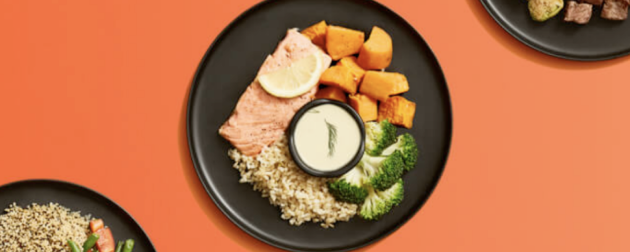
Yes, a popular provider offering 100% certified organic vegan-only meal delivery options is Garden of Vegan. Their array of vegan offerings also offer a range of dietary friendly caterings such as gluten-free meals.
Yes, Dinnerly and Marley Spoon offer vegan meal kits with regularly updated seasonal menus.
Check out the meal kit page for more information!
Each meal service offers different meal services and incentivised ordering, from a one-off order to multiple days of food in meal packs, or even weekly subscription plans. Generally speaking, the longer the subscription commitment i.e., the more meals ordered, the cheaper the individual meal comes to.
The cheapest vegan meal kit on the market is Dinnerly offering a very competitive $4.85 per portion. Otherwise, Soulara offers meals starting from $8.50 per serve.
Unfortunately you may have to do some shopping around, not all providers cater to dietary requirements. The below providers cater to some dietary needs:
- Herbidoor – They offer options such as: Sesame Free, Soy Free, Gluten Free, Onion Free, Garlic Free, Peanut free, Nut Free and Ginger Free.
- Delidoor – They offer options such as Dairy Free and Gluten Free.
- Garden of Vegan – They offer options such as: Soy Free, Nut Free, Grain Free, Chilli Free, Onion Free, Garlic Free, Citrus Free, Sesame Free.
No, a vegan diet is the strict elimination of all animal products (and byproducts), whereas a plant-based diet doesn’t necessarily eliminate animal products – instead it lowers consumption and emphasises focus on eating predominately plants I.e. fruit, vegetables, nuts, seeds, whole grains etc (Hever, 2016). You can view plant based meal delivery options here.
With many diets there are pros and cons whether it creating restrictions socially, financially more expensive than previous dietary choices, limited options when eating out, creates nutritional risks and creates a poor relationship with food.
Particular risks associated with vegan diets can be creating nutritionally imbalanced meals, non-satiating meals and nutritional deficiencies with inadequate dietary planning.
No, unfortunately Hellofresh are yet to offer a vegan meal kit. They do offer a veggie plan option which is suitable to those who are vegetarian or wanting to reduce meat consumption across meals.
Vegans try their best to avoid all forms of animal products and byproducts, most include honey in foods they won’t consume when following a vegan diet.
If you’re trying to find a product you can use in replacement of honey try maple syrup!
Planning vegan meals or meals in general can be most helpful when centring meals around the protein source. Many plant foods contain protein however to consume adequate amounts need to be consumed in higher volumes. Some plant food protein sources to include in your diet include:
- Seitan
- Soy proteins: Tofu, tempeh, and edamame.
- Lentils, Beans, Chickpeas, green peas
- Nutritional yeast
- Spirulina
- Wholegrains
- Spelt and Teff
- Nuts and Seeds
It’s important to consider where you may be getting your calcium and vitamin D from when following a vegan diet. Look for foods that have been fortified such as cereals, plant based milks, soya, etc.
- Vegetables – include plenty of dark leafy greens, broccoli, okra, edamame beans etc.
- Nuts and seeds, including tahini!
- Whole grains
- Beans, Lentils, Chickpeas and Peas.
- Calcium-set tofu
Vegan can lean into some non-heme (plant-based) sources of iron such as
- Beans, lentils and legumes
- Dark leafy greens, potatoes with skin on, broccoli, spinach,
- Nuts and Seeds
- Whole grains
- Dried fruit i.e. apricot
- Blackstrap molasses
Improve iron absorption by eating foods high in vitamin c with foods containing iron, including cooking plant foods to improve the availability of iron.
Speak to a trusted health professional about any symptoms of low iron you may be experiencing, including any changes to diet.
A raw vegan diet typically involves no cooking, foods are prepared and eaten fresh or dehydrated at low heats or fermented! A raw vegan diet is no different in terms of any other vegan diet with encouragement of eating an abundance of fruits, vegetables, nuts, seeds, whole grains, lentils, beans, legumes etc. Before considering a raw vegan diet it is important to speak to a trusted health professional as it can be extremely restrictive and may cause nutritional deficiencies.
Unlike other B vitamins, B12 isn’t found in many plant foods other than fortified foods. This can often make it hard for vegans and vegetarians to obtain sufficient levels of b12 in their diet. Vegan can look to the following food products for b12:
- Nutritional yeast
- Yeast spreads
- Fortified foods such as milks, cereals etc.
- Plant based meat options, tempeh
It’s important to speak to a trusted health professional if you think you may not be getting enough b12 in your diet.
(2010) Winston John Craig, ‘Nutrition Concerns and Health Effects of Vegetarian Diets’
https://onlinelibrary.wiley.com/doi/abs/10.1177/0884533610385707
(2016) Julieanna Hever ‘Plant-Based Diets: A Physician’s Guide’