
Consider Nutritional Quality
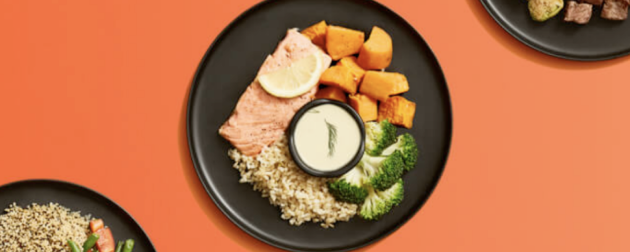
Look for meals with real, whole ingredients. Avoid products that contain excessive additives, preservatives, and artificial flavours. Ideally, the first few ingredients should be whole foods like lean protein (chicken, fish, tofu), whole grains (brown rice, quinoa), and vegetables. Be cautious of meals with long lists of ingredients you can’t pronounce or don’t recognise
Check Sodium Content
Choose frozen meals with lower sodium levels, as excessive salt intake can contribute to health issues like high blood pressure. Meals with less than 600mg of sodium per serving are generally considered better choices.
Dietary Preferences
If you have food allergies or sensitivities, ensure the frozen meal does not contain any ingredients that could trigger a reaction. Choose meals that align with your dietary preferences – If you have specific dietary requirements, such as vegetarian, vegan, gluten-free, or low-carb, look for frozen meals that cater to these needs.
Portion Size
Review the serving size and ensure that the portion size aligns with your dietary needs. Pay attention to macronutrients (carbohydrates, protein, and fats) and aim for a balanced combination. Assess the fibre content; higher fibre content can contribute to feeling fuller and more satisfied as well as support the digestive system.