There are some essential nutrients that can be more difficult for vegetarians to obtain – namely protein, and certain vitamins, minerals and fatty acids. That’s not to say it isn’t possible to give your body these nutrients on a vegetarian diet; you just have to know what foods provide them in significant amounts.
Here’s a list of the nutrients vegetarians need to prioritise, and some vegetarian foods that are good sources of these nutrients:
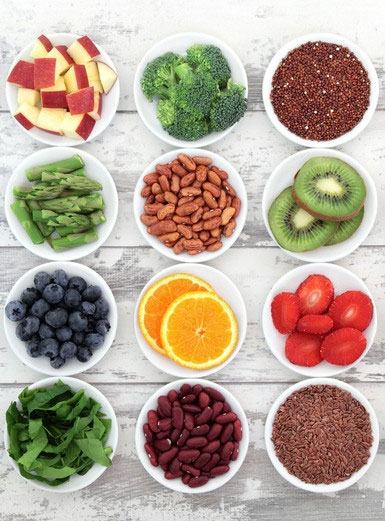
- Protein: Eggs, dairy products, tofu, tempeh (fermented soybeans), legumes (beans, chickpeas, lentils), nuts and seeds, protein powders (soy, whey, rice, pea).
- Vitamin B12: Eggs, dairy products, B12-fortified soy milk, B12-fortified vegetarian meat alternatives.
- Calcium: Dairy products, legumes, sesame seeds, tahini, almonds, dark green leafy vegetables, calcium-fortified tofu and beverages.
- Iron: Tofu, legumes, dried fruit, dark green leafy vegetables such as spinach.
- Zinc: Nuts, tofu, legumes, wholegrains such as brown rice.
- Omega-3 fatty acids: Walnuts, chia seeds, hemp seeds, ground linseed/flaxseed meal.
Consulting with a nutritionist or dietician can help to ensure that you’re getting these nutrients in adequate amounts through a balanced diet, and in some cases, dietary supplements.