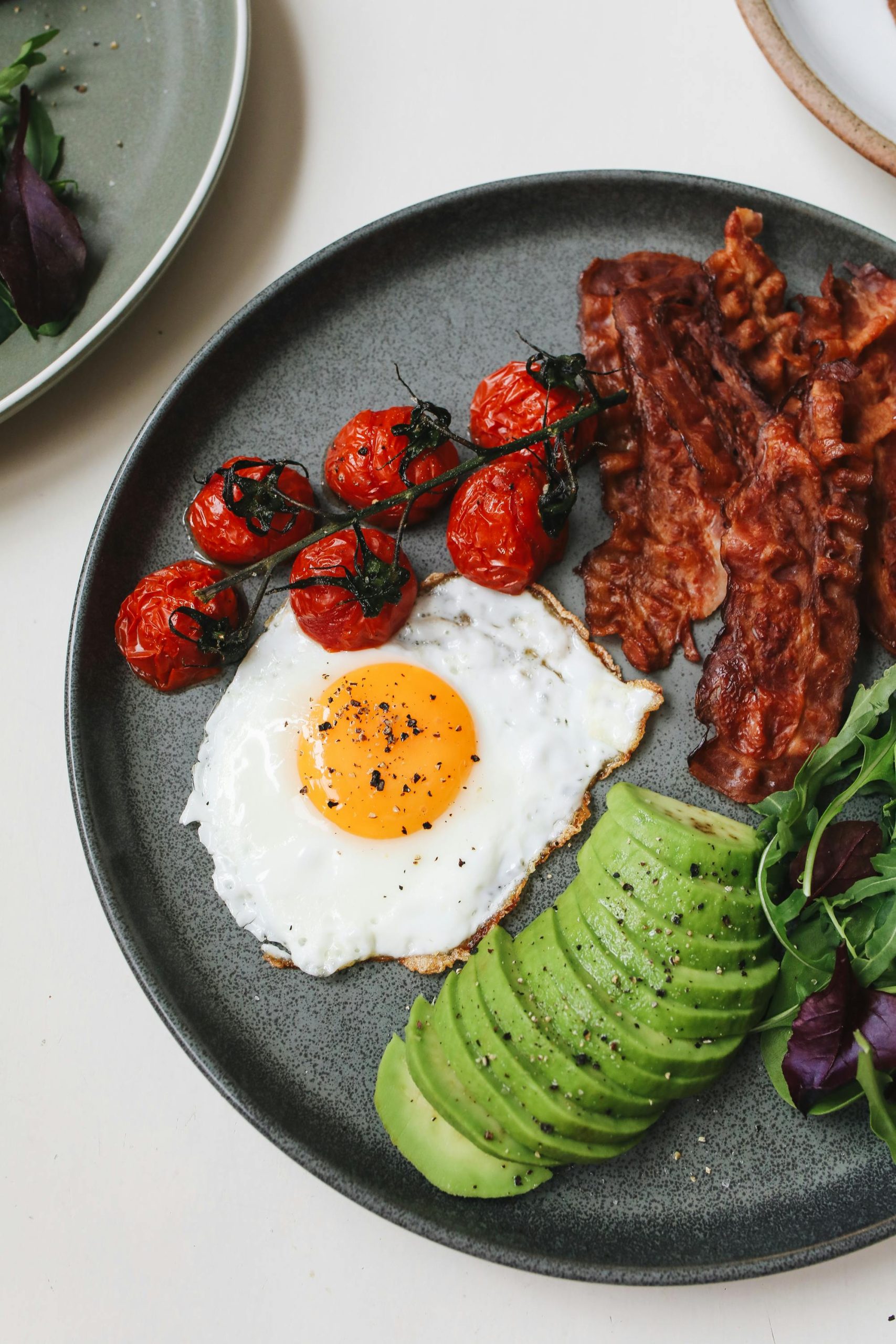
The Paleo diet — also known as the “caveman” or “hunter-gatherer” diet — is based on the types of foods presumed to have been eaten by early humans during the Paleolithic era. It emphasises whole, unprocessed foods and eliminates modern staples that became common with the rise of agriculture.
Many versions of a Paleo diet have evolved over time. Supporters of a paleolithic diet argue that intakes should follow a typical ancient hunter and gatherers’ diet excluding grains (particularly gluten), dairy, legumes and processed foods and any products from farming practices that would have emerged within the last 10,000 years (Zopf, Reljic et al. 2018). The diet aims to focus on whole foods particularly lean meat, fish, fruits, vegetables, root vegetables, eggs and nuts (Giovanni Tarantino 2021).
Some modifications of the diet opt for high intakes of animal products and saturated fats, whilst others recommend a higher intake of healthy fats. Regardless, over the last 10 years of high popularity, the diet has still upheld focus on whole foods and eliminating processed foods (Warchalowski 2020).
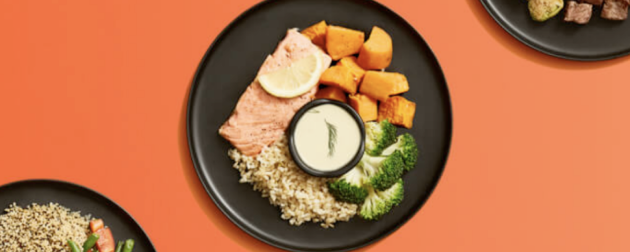
When selecting individual meal kits and individual products to support your paleo diet, use our “How to read a food label in Australia” guide to help you identify if your chosen kit or product contains the right ingredients to support your paleo journey.