
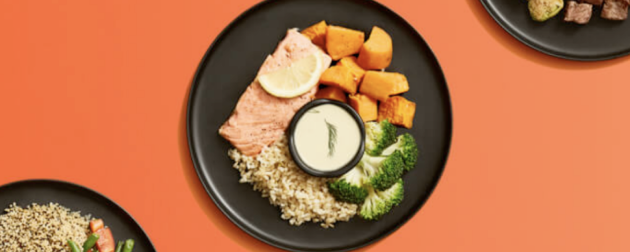

Vegetarian Meal Pros
- Reduced chronic disease risk - According to Nutrition Australia, a plant-based diet (which a vegetarian diet shares many principles with) can decrease the likelihood of developing a range of chronic diseases - from obesity and cardiovascular (heart) disease to type 2 diabetes and some cancers. This is because a balanced vegetarian diet tends to be lower in saturated fat and cholesterol than an omnivorous diet, and higher in fibre, antioxidants, and certain vitamins and minerals, all of which provide an array of health-promoting and health-protective properties.
- Promotes good gut health - Meals that centre on plant-based ingredients like fresh produce, wholegrains, legumes, and nuts and seeds will be rich in a mix of fibres to help keep you regular, all while fuelling and diversifying your beneficial gut flora.
- Blood sugar support - A vegetarian meal revolving around nutritious, plant-based ingredients will give you a good dose of fibre, including soluble fibre. Found in foods like oats, carrots, and legumes, soluble fibre can help steady blood sugar levels by delaying stomach emptying and slowing sugar absorption in the bloodstream.
- Broader nutrient spectrum - Vegetarian meal delivery services encourage you to eat a wider variety of plant-based foods. They’re also a great way to introduce yourself to unique plant-based ingredients that you wouldn’t otherwise try or know how to prepare.
- No guesswork needed - Vegetarian meals that have been designed by nutritionists provide peace of mind that you’re getting all the nutrients you need, and in the right ratios.
Vegetarian Meal Cons
- Lower in protein - If you lead an active lifestyle, some ready-made vegetarian meals might not provide sufficient protein to support muscle recovery and repair. Choose high protein options where possible.
- Lower in omega-3 fats - A top source of the essential omega-3 fatty acid is oily fish like salmon, which you won’t be getting from a vegetarian meal delivery service. However, the next best food sources of omega-3 fats include linseeds, chia seeds, hemp seeds, and walnuts - all of which can easily be sprinkled on your vegetarian meals (or incorporated into your snacks) for an omega-3 boost. Some vegetarian meal delivery services also include these ingredients in generous amounts in some of their menu items (think chia puddings and seed-based sauces).
-
Higher in carbs - Some ready-made vegetarian meals - especially those based on pasta - can be particularly high in carbohydrates, and so might not be suitable for some individuals, including people with diabetes, or those looking to lose weight.
-
Can be expensive - Some vegetarian meal delivery services may cost more than a standard shop of the supermarket due to the added convenience of pre-prepared, measured meals/ingredients and delivery.
- Lower in calories - If you are transitioning from a predominately animal-based diet to a strict vegetarian diet, you may experience increased hunger due to the lower amount of calories found in vegetarian foods. It is important to plan your diet to ensure you are still reaching your calorie and macronutrient targets. Consult with your healthcare practitioner before deciding whether a vegetarian diet is right for you.