
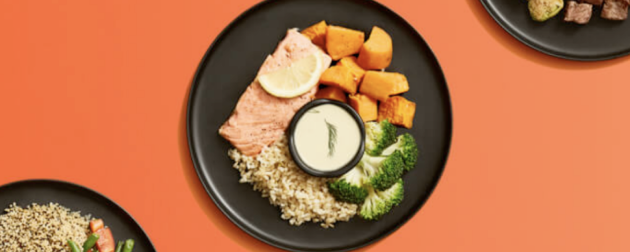
The recommended daily protein intake varies based on factors like age, sex, activity level, fitness goals and overall health. As a general guideline, adults should aim for about 0.8 to 1.0 grams of protein per kilogram of body weight per day.
There are various types of protein powders, including whey, casein, soy, pea, and others. The best type of protein powder depends on an individual’s dietary needs and preferences as well as their fitness goal and overall health.
Protein powder is generally safe when used as directed and sourced from reputable brands. The potential risks include allergies to specific ingredients and digestive issues from excess intake. Always consult with your healthcare practitioner before deciding which protein powder supplement is right for you.
The best time to take protein powder depends on your goals and schedule. Generally, post-workout consumption supports muscle recovery, but you can also use it as a meal replacement, throughout the day, or before bed for overnight muscle repair. Choose a timing that suits your routine and helps meet your protein needs consistently.
If your diet already provides enough protein from sources like meat, fish, eggs, and plant-based options, you may not need protein supplements. However, supplements can be convenient for those with higher protein needs or specific health goals, especially for quick post-workout intake or if following a restricted diet.
Protein powders can contain allergens like dairy (from whey or casein), soy, gluten, and potential cross-contamination with tree nuts, eggs, peanuts, or shellfish. Check labels for allergen information, choose certified allergen-free options, and consult a healthcare professional if you have severe allergies or concerns.
Excessive protein intake can potentially strain your kidneys, lead to dehydration, cause nutrient imbalances, and contribute to digestive issues like bloating and constipation. It’s important to consume protein within recommended limits to avoid these risks and maintain a balanced diet.
Vegan protein powders include pea protein, brown rice protein, hemp protein, soy protein, chia seed protein, quinoa protein and pumpkin seed protein. Some top vegan protein powder brands include Nuzest Clean Lean Protein, The Healthy Chef Organic Pea Protein and Tropeka.
Whey and casein are both high-quality proteins derived from milk, but they digest at different speeds and serve slightly different purposes.
Whey protein is fast-digesting, making it ideal after a workout when your muscles need quick nourishment. It’s rich in branched-chain amino acids (BCAAs), especially leucine, which plays a key role in muscle repair.
Casein protein digests much slower, providing a steady release of amino acids over several hours. That makes it a great option before bed or during long gaps between meals to help prevent muscle breakdown.
Both support muscle growth and recovery — the best one for you depends on when you’re taking it and what you’re using it for.
Yes — when used correctly, protein powder can support healthy weight loss. Protein helps keep you feeling full for longer, reduces cravings, and preserves lean muscle as you lose body fat.
Just remember: it’s not a magic solution. Sustainable weight loss comes from overall healthy eating, lifestyle habits, and consistency. Always consult with your healthcare practitioner when undertaking a weight loss journey.
Protein alone won’t bulk you up! This is a common myth, especially among women. Building significant muscle size requires a specific combination of intense resistance training, a calorie surplus, and time. Simply adding protein to your diet — even daily — won’t result in large muscle gains.
What it will do is help your body recover from workouts, support lean muscle development, and keep you feeling stronger and more energised.
In short: protein helps you feel fit and toned, not bulky.