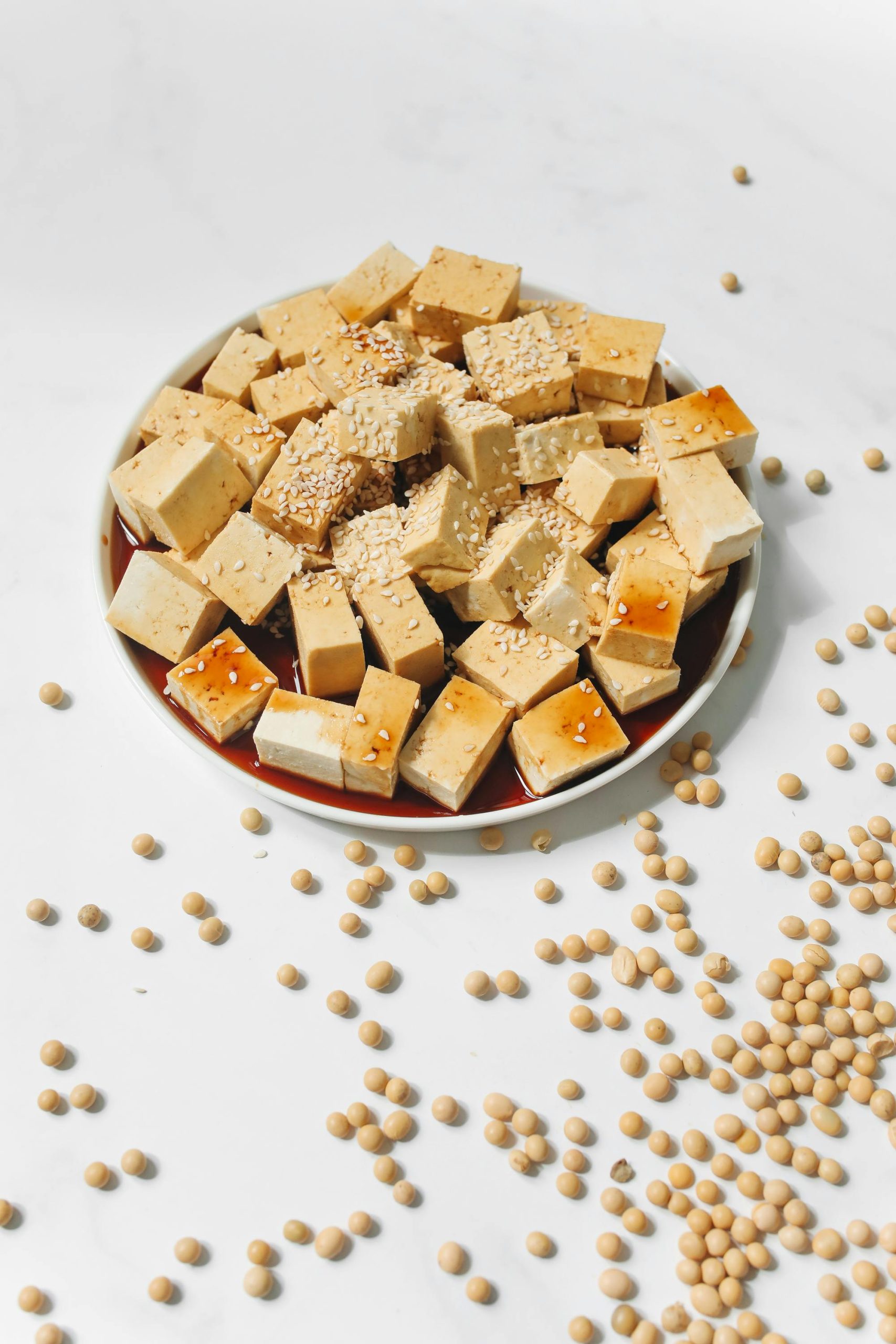

A dairy-free diet can offer various nutritional benefits, although it’s important to ensure that you still obtain essential nutrients from alternative sources. Here are some potential benefits of a dairy-free diet:
Lactose Intolerance Management:
For individuals with lactose intolerance, avoiding dairy can alleviate symptoms such as bloating, gas, and diarrhoea.
Reduced Saturated Fat Intake:
Some dairy products, particularly full-fat versions, can be high in saturated fats. Choosing dairy alternatives can contribute to a lower intake of saturated fats, which is associated with heart health.
Increased Intake of Plant-Based Foods:
Embracing a dairy-free diet often encourages the consumption of more plant-based foods like fruits, vegetables, nuts, seeds, and grains, providing a broader range of nutrients and potential health benefits.
Potential Weight Management:
Some individuals may find that reducing or eliminating dairy helps with weight management or weight loss, as it eliminates a calorie-dense source of food. However, it’s crucial to maintain a balanced diet. If you are interested in learning about how macronutrients and a well-rounded diet affect your weight loss journey read our guide titled “Are Macros important for weight loss?” to help you out.
Lowered Risk of Dairy Allergies:
For those with dairy allergies, avoiding dairy prevents allergic reactions and associated symptoms such as skin rashes, digestive issues, and respiratory problems.
Exploration of Alternative Nutrient Sources:
Eliminating dairy encourages the exploration of alternative sources of calcium, vitamin D, and other nutrients. This can lead to a more diverse and potentially nutrient-rich diet.
Ethical and Environmental Considerations:
Choosing a dairy-free diet for ethical reasons, such as concerns about animal welfare, can contribute to a more environmentally sustainable lifestyle.
Improved Digestive Health:
Some individuals may experience improved digestive health when removing dairy from their diet, particularly if they have sensitivities or underlying digestive conditions.
Reduced Risk of Hormonal Influences:
Some people may choose a dairy-free diet to reduce exposure to hormones naturally present in milk or added during the production of dairy products.
Reduced Acne and Skin Issues:
For some individuals, cutting out dairy has been associated with improvements in acne and other skin conditions. However, the relationship between dairy consumption and skin health can vary among individuals.
While a dairy-free diet can offer these potential benefits, it’s crucial to consume the nutrients found in dairy (calcium) by incorporating alternative sources from foods. Always consult with your healthcare practitioner before eliminating certain foods from your diet.