
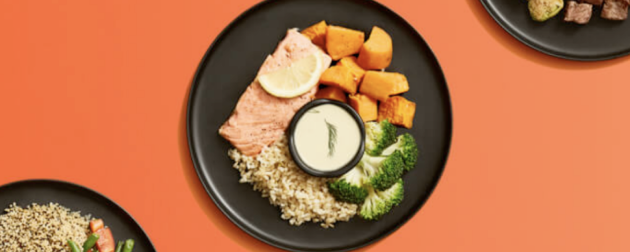
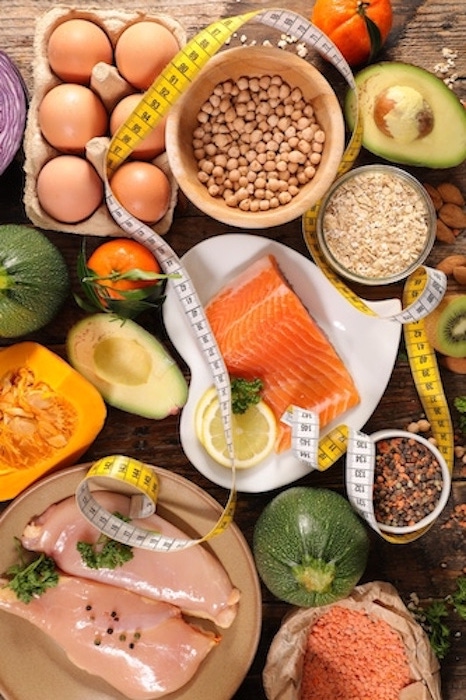
Macronutrients (protein, carbohydrates, and fats) are the foundation of any muscle-building nutrition plan. Each macronutrient serves a unique purpose in fuelling your training, supporting recovery, and stimulating muscle growth. Here’s how to get your macros working for you:
1. Protein:
Protein is essential for repairing and building muscle tissue. It provides amino acids, particularly leucine, which is the key trigger for muscle protein synthesis. The current research suggests consuming 1.6–2.2 grams of protein per kilogram of body weight per day for optimal muscle growth (Morton et al., 2018). Include high-quality sources such as lean meats, poultry, fish, dairy, eggs, legumes, and plant-based alternatives like tofu and tempeh. Supplement with protein powders where necessary.
2. Carbohydrates:
Carbohydrates are the body’s primary source of energy, especially during high-intensity training. They replenish glycogen stores, prevent muscle breakdown, and support recovery. Complex carbs like whole grains, brown rice, quinoa, oats, fruits, and starchy vegetables provide steady energy. Including 3–6 grams of carbohydrates per kilogram of body weight per day is generally recommended depending on training intensity (Jäger et al., 2017).
3. Fats:
While fats are often misunderstood, they play a vital role in hormone production including testosterone, which supports muscle growth. Healthy fats also reduce inflammation and aid in nutrient absorption. Aim for around 20–35% of your daily energy intake from fats, focusing on sources like avocado, olive oil, nuts, seeds, and fatty fish.
Achieving the right balance between these macronutrients will depend on your training load, body composition goals, and metabolism. A typical muscle-building macro split might look like 40% carbs, 30% protein, 30% fat, but personalisation is key. Consult with a Nutritionist or Dietician to receive a tailored nutrition plan.
If you are interested in learning more about macronutrients, check out our guide on ‘How to Read a Food Label in Australia‘.