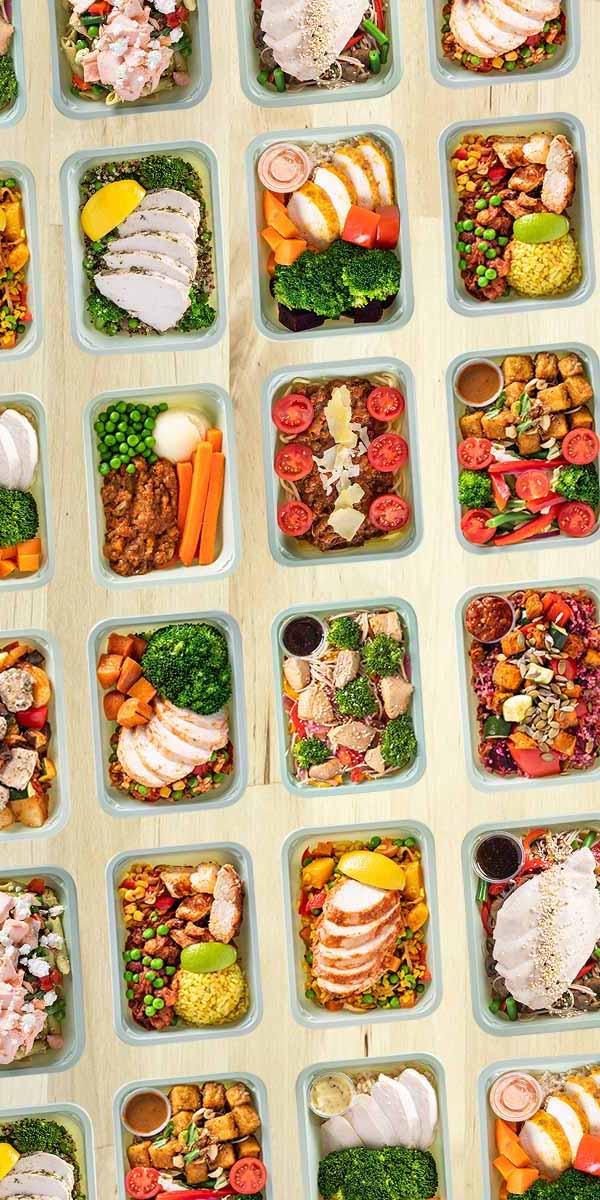

Microwaving is generally considered a safe and convenient cooking method that has minimal impact on the nutrient content of foods compared to some other cooking methods. While it’s true that certain nutrients can be sensitive to heat, light, and water, microwaving is a relatively gentle cooking process that uses low heat and short cooking times.
Here are some considerations regarding the impact of microwaving on nutrient content:
Vitamin C and B Vitamins:
Vitamin C and some B vitamins are water-soluble and can be sensitive to heat. Microwaving with minimal water and short cooking times can help preserve these nutrients better than boiling or prolonged cooking.
Fat-Soluble Vitamins:
Microwaving has a minimal impact on fat-soluble vitamins (A, D, E, and K), as it doesn’t expose foods to excessive heat for an extended period. These vitamins are relatively stable under moderate cooking conditions.
Protein:
Microwaving does not significantly alter the protein structure of foods. In fact, it can be an effective way to cook protein-containing foods, helping to retain their nutritional value.
Minimise Overcooking:
Overcooking in the microwave can lead to nutrient loss. It’s essential to follow recommended cooking times and avoid cooking foods for longer than necessary.
Avoid Plastic Containers:
When microwaving, avoid using plastic containers that are not labeled as microwave-safe. Some plastics can release harmful chemicals when heated, and using microwave-safe containers helps minimise this risk.
Choose Nutrient-Dense Foods:
Regardless of the cooking method, the nutritional content of your meal depends on the ingredients you choose. Opt for nutrient-dense foods, including a variety of fruits, vegetables, whole grains, and lean proteins.
Microwaving is a safe and efficient cooking method that, when used appropriately, can help preserve the nutritional content of your meals. To maximise nutrient retention, choose nutrient-dense ingredients, follow recommended cooking times, and be mindful of overcooking. Incorporating a variety of cooking methods into your routine can also contribute to a well-rounded and nutritious diet.
If you are interested in learning more about the why behind choosing nutrient-dense foods, check out our guide “Are Macros Important for Weight Loss“, in this guide we discuss what a well-rounded diet looks like, what macronutrients are and why they are so important.