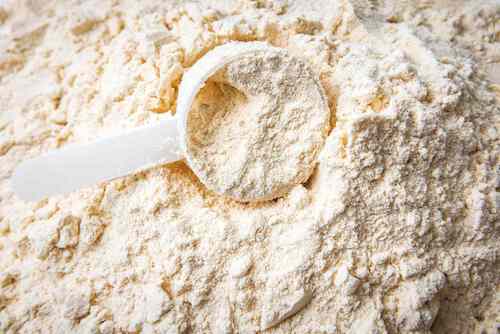
Here’s a breakdown of what to look for and avoid in protein powder from a Nutritionist’s perspective:
Seek these out:
- High Protein Content: Aim for at least 80% protein per serving. This ensures you’re getting the most out of your protein supplement.
- Minimal Ingredients: Look for a short list with recognisable whole food sources as the protein base (whey protein isolate, pea protein isolate, etc.).
- Complete Amino Acid Profile: If choosing a plant-based protein, consider a blend or pair it with other plant proteins (rice & pea) to create a complete amino acid profile for optimal absorption.
- Leucine: This specific amino acid is crucial for muscle protein synthesis. Aim for 2-3 grams per serving, especially in plant-based powders.
- Minimal Added Sugars & Fillers: Avoid hidden sugars and fillers like maltodextrin, dextrose, or artificial sweeteners. These have little nutritional value.
- Third-Party Certifications: Look for labels mentioning certifications like HASTA indicating independent testing for quality and safety.
Avoid these:
- Excessive Fillers & Artificial Ingredients: These can dilute the protein content and may potentially cause digestive issues for some individuals. Common fillers to avoid include maltodextrin and dextrins.
- Hidden Sugars & Artificial Sweeteners: These can increase calorie content without providing any health benefits and may disrupt gut health. Common sweeteners include sucralose, acesulfame potassium and aspartame.
- Heavy Metals: While uncommon, some protein powders may contain trace amounts of heavy metals. Look for reputable brands with quality control measures.
By prioritising protein content, whole food ingredients, and minimal additives, you can choose a protein powder that supports your health journey with a Nutritionist tick of approval.