A gluten-free diet excludes foods which contain the gluten protein that can be found in wheat (including spelt), rye, barley and oats.
A gluten-free diet is essential for individuals with coeliac disease or gluten sensitivity, but many others also choose it for potential health benefits. Here’s a closer look at who might benefit from gluten-free meals and why:
Who should follow a gluten-free diet?
- People with Coeliac Disease – Coeliac disease is an autoimmune condition where gluten triggers inflammation and damage to the small intestine, leading to nutrient deficiencies.
- Individuals with Gluten Sensitivity – While not an autoimmune disorder, gluten sensitivity can cause digestive discomfort, bloating, and fatigue.
- Those with Wheat Allergies – Some people experience allergic reactions to wheat proteins and need to avoid gluten-containing grains.
- Health-Conscious Consumers – Some choose to go gluten-free to reduce processed food intake and focus on whole, naturally gluten-free foods.
Potential health benefits of a gluten-free diet:
- Improved Digestion – Reducing gluten may help ease bloating, diarrhoea, or constipation for sensitive individuals.
- Reduced Inflammation – For those with Coeliac disease, a gluten-free diet significantly lowers inflammation and promotes gut healing.
- Increased Energy Levels – People with undiagnosed gluten sensitivity may experience fatigue, which improves after eliminating gluten.
Common misconceptions about a gluten-free diet:
- It’s Not Always Healthier – Some gluten-free products are highly processed, containing added salt and sugar to compensate for flavour, and may lack essential nutrients.
- Weight Loss Is Not Guaranteed – While some experience weight loss from reducing processed foods, gluten-free meals alone don’t cause weight loss.
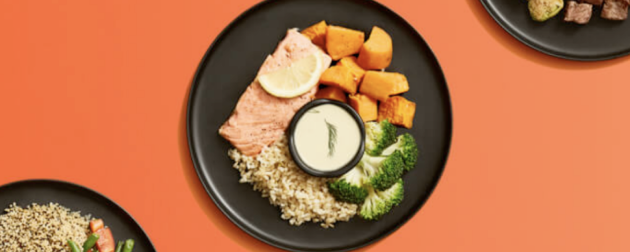
- Athletes Can Still Meet Their Performance Needs – Gluten-free diets can support fitness goals with careful planning, incorporating whole foods like quinoa, sweet potatoes, and lean proteins.
If you are interested in learning how to read a Nutrition Information Pane to help inform your food choices, read our “How to Read a Food Label in Australia” guide to help you out.
Before considering taking up a gluten-free diet it’s important to seek advice from a trusted health professional before making any dietary changes.diarrhoea