
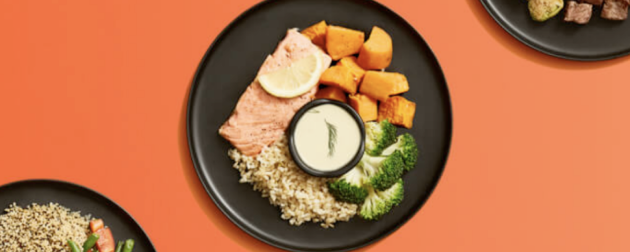
A gluten-free diet means excluding foods that contain gluten. Gluten is a protein found in wheat and other grains such as rye, barley, oats. It means eating whole foods that don’t contain gluten.
Gluten-Free foods have improved a lot! Traditionally gluten-free flour alternatives were known to have unpleasant textures or tastes. However, with many improvements and lots of newly introduced products, there are a huge array of options now available to consumers with many people preferring these products or showing the little-to-no difference in comparative foods.
It may be helpful to research and read reviews for products before buying or committing to a service.
Those diagnosed with coeliac disease can’t consume or tolerate gluten, even in trace amounts is considered dangerous triggering an immune response that damages the lining of the small intestine. For those with gluten sensitivities, they may still be able to tolerate small amounts or traces.
Despite restrictions or limitations with gluten, there is still a wide range of fresh foods and package items available, it is important to look for foods labeling ‘gluten-free’ or look out for the Coeliac Australia Logo.
It’s important to seek health advice from a trusted health professional before making any dietary changes.
At this stage, as more gluten-free options are available, prices have become more competitive and affordable – traditionally gluten-free food items were considered expensive. A lot of items on the market such as kinds of pasta are very similarly priced now.
Yes, there are some gluten-free meal-kits available in Australia. They are a great option when trying to stick to a restricted diet whilst exploring new recipes. Gluten-free meal-kit providers include:
- Marley Spoon
- Dinnerly
- Hello Fresh
Marley Spoon has the highest amount of recipes with no added gluten available each week when comparing each provider.
Dinnerly is a very cost-effective gluten-free meal delivery option with meals starting from $5.99 per serve with free delivery available for those who make orders over $99.
Hello Fresh has naturally gluten-free options on their menu which can be suitable for a wide range of people needing to avoid gluten. However, this option isn’t suitable for those with coeliac disease.
Yes, the Garden of Goodness is a 100% vegan meal delivery provider with food being 100% organic, whole-food, gluten and oil-free!
Gluten-free meals can be healthy if they are well-balanced and contain a variety of nutritious foods such as fruits, vegetables, lean proteins, and whole grains that are naturally gluten-free. However, it’s important to note that many gluten-free processed foods can be high in sugar, sodium, and unhealthy fats, so it’s important to read labels and choose whole foods as much as possible. To help you identify what products are more whole foods than others read our guide on “How to Read a Food Label in Australia“.
Gluten-free meals alone do not guarantee weight loss. However, if they are based on whole, nutrient-dense foods and controlled portions, they may support a healthy weight. Cutting out highly processed gluten-containing foods can also reduce excess calorie intake, leading to weight management benefits. If weight loss is your goal, consult with you health care practitioner before implementing a new diet.
Look for services that explicitly state they are gluten-free and check if they are certified gluten-free or have strict processes to prevent cross-contamination. Many reputable providers also conduct independent testing or prepare meals in dedicated gluten-free kitchens.
Whilst ordering meal services may be a convenient option throughout the week, sometimes cooking is on the cards! There are plenty of gluten-free meal ideas available utilising traditional gluten ingredients with gluten-free
product alternatives such as:
- Spaghetti Bolognese with gluten free pasta alternatives (brown rice pasta, chickpea pasta, lentil pasta, multigrain pasta).
- Brown rice based salads with grilled chicken and vegetables of choice.
- One bake trays with salmon, roast vegetables and quinoa.
- Soups with protein of choice, beans, vegetables and soba noodles.
- Curries, slow cooked meals or casseroles with protein of choice, vegetables and served with rice.
There are plenty of gluten free snack options you can prepare at home such as:
- Rice crackers with cheese or nut butters
- Yoghurt with fresh berries and coconut
- Sliced veggies with hommus or other dips.
- Protein balls or snack bars
- Chia pudding and fresh fruit
- Handful of nuts
- Hard boiled eggs
- Popcorn
- Edamame with chilli or garlic
- Dried fruit
Coeliac Australia (nd) “Cross Contamination”
https://www.coeliac.org.au/s/the-gluten-free-diet/cross-contamination
Coeliac Australia (nd) “The Gluten Free Diet”
https://www.coeliac.org.au/s/the-gluten-free-diet
JF, L., et al. (2015). “Screening for celiac disease in the general population and in high-risk groups.” United European gastroenterology journal 3(2).
L, S. and R. M (2008). “Gluten-free and regular foods: a cost comparison.” Canadian journal of dietetic practice and research : a publication of Dietitians of Canada = Revue canadienne de la pratique et de la recherche en dietetique : une publication des Dietetistes du Canada 69(3).
NJ, W., et al. (2013). “Vitamin and mineral deficiencies are highly prevalent in newly diagnosed celiac disease patients.” Nutrients 5(10).
Saturni, L., et al. (2010). “The Gluten-Free Diet: Safety and Nutritional Quality.” Nutrients 2(1): 16-34.