
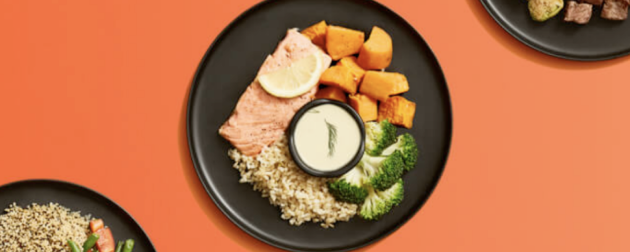
The choice between fresh and frozen meals depends on various factors, and both options have their advantages and disadvantages. Here’s a comparison to help you decide which is more suitable for your needs:
Frozen Meal Advantages:
- Convenience: Frozen meals are quick and easy to prepare, making them a convenient option for busy individuals or those without the time or culinary skills to cook from scratch.
- Longer shelf life: Frozen meals have a much longer shelf life compared to fresh ingredients, reducing food waste and allowing you to stock up.
- Portion control: Frozen meals often come in pre-portioned servings, helping with portion control and calorie management.
- Nutrient retention: While there can be some nutrient loss during freezing and reheating, modern freezing techniques can preserve the nutritional value of many ingredients reasonably well with out the need for additives and preservatives.
Frozen Meal Disadvantages:
- Quality variation: The quality of frozen meals can vary widely, and some may contain high levels of sodium, saturated fat, or artificial additives. Always check the nutrition label.
- Limited customisation: You have less control over the ingredients and seasonings in frozen meals, which may not suit specific dietary preferences.
- Taste and texture: Some frozen meals may not match the taste and texture of freshly prepared dishes.
Fresh Meal Advantages:
- Nutrient retention: Fresh meals often have higher nutrient content compared to their frozen counterparts because they haven’t undergone the freezing and thawing process.
- Flavour & texture: Fresh meals generally have a better taste and texture because they haven’t gone through the freezing and reheating process – sometimes affecting flavour and texture.
- Customisation: Cooking with fresh ingredients allows you to control the seasonings, ingredients, and cooking methods to meet your specific preferences and dietary needs.
- Versatility: You have a wider range of ingredients to choose from, including seasonal produce, which can make your meals more varied and interesting.
Fresh Meal Disadvantages:
- Shelf life: Fresh ingredients have a limited shelf life, so you need to use them quickly to avoid spoilage.
- Preparation time: Preparing fresh meals from scratch can be time-consuming, which may not be suitable for busy individuals or families.
- Convenience: Fresh meals require more planning and preparation, which might not be ideal for those with hectic schedules.