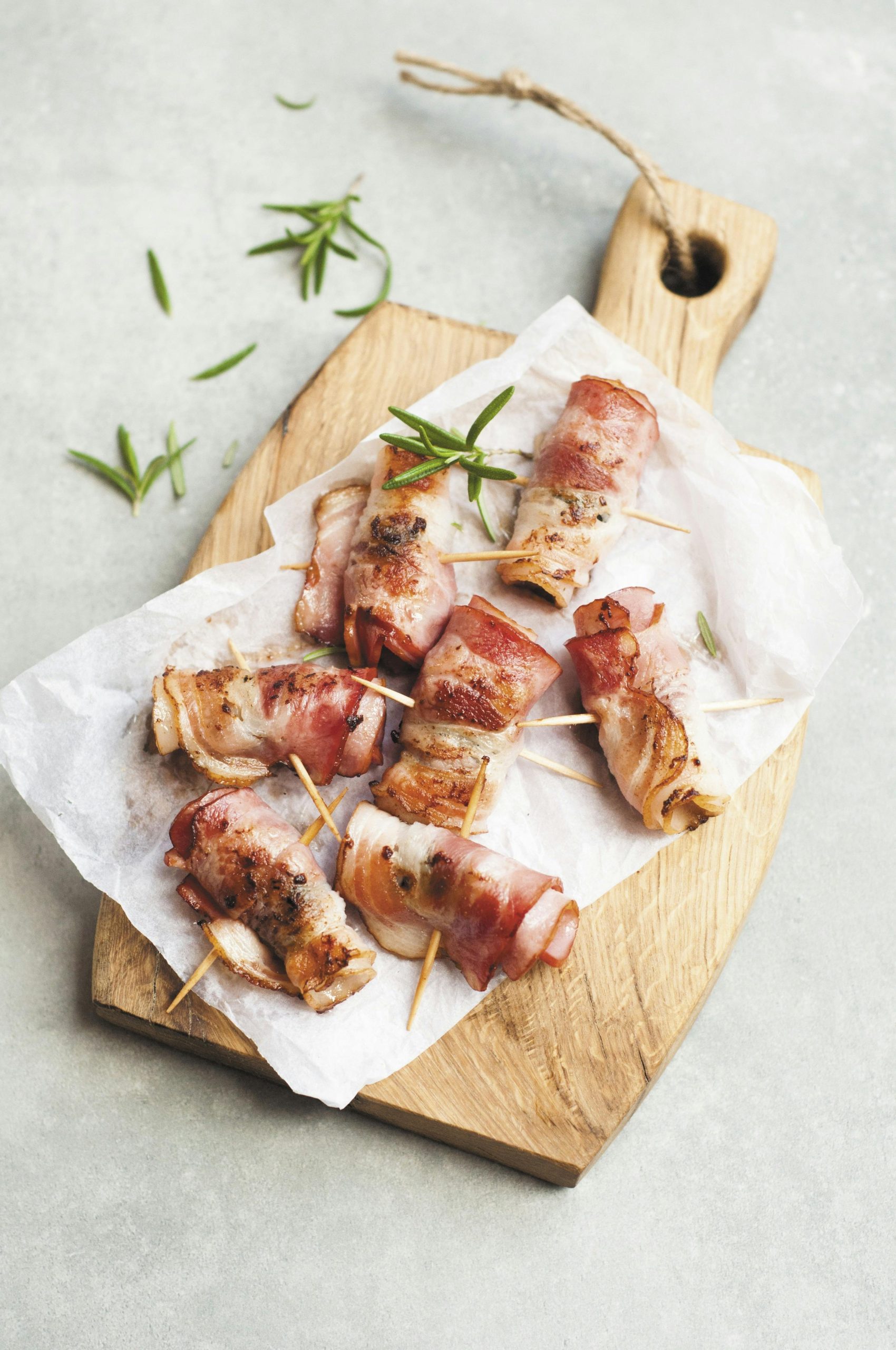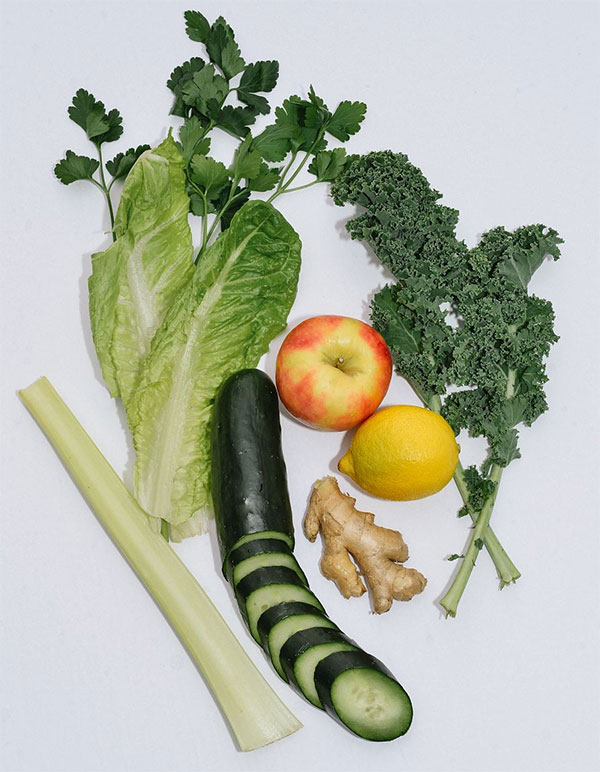
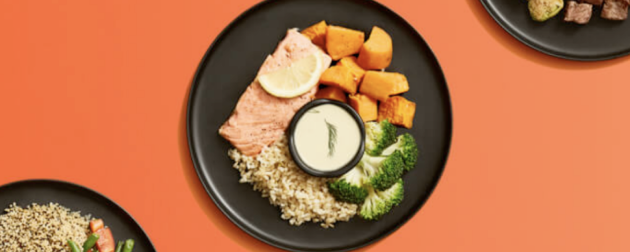
If you’re wondering what can you eat on a Paleo diet, the focus is on whole, unprocessed foods that our hunter-gatherer ancestors would have eaten. A well-balanced Paleo food list typically includes quality proteins, vegetables, fruits, healthy fats, and natural sources of carbohydrates. Below is a breakdown of the best foods to include when following a Paleo meal plan:
Lean Meats:
Opt for grass-fed, free-range meats where possible. These provide high-quality protein and essential nutrients like iron and B12.
Examples: Beef, lamb, pork, kangaroo, turkey, and chicken.
Seafood:
Rich in omega-3 fatty acids and protein, seafood is a staple in a Paleo diet.
Examples: Salmon, mackerel, sardines, tuna, prawns.
Eggs:
Packed with protein and nutrients like vitamin D and choline.
Choose free-range or organic eggs for the best nutritional profile.
Fresh Vegetables:
Non-starchy and starchy vegetables are central to a Paleo diet, offering fibre, vitamins, and minerals.
Examples: Spinach, kale, broccoli, carrots, sweet potato, cauliflower, zucchini.
Fruits:
Enjoyed in moderation, fruits are a natural source of energy and antioxidants.
Examples: Berries, apples, bananas, oranges, mangoes, grapes.
Nuts and Seeds:
Great for snacks or adding texture to meals, nuts and seeds offer healthy fats anda source of plant-based protein.
Examples: Almonds, walnuts, chia seeds, flaxseeds, sunflower seeds.
Avoid: Peanuts (they’re legumes, not Paleo-approved).
Healthy Fats and Oils:
Use natural fats from wholefood sources or oils derived from fruit and nuts.
Examples: Avocados, olive oil, coconut oil, ghee.
Herbs and Spices:
Natural flavourings like herbs and spices are encouraged to enhance meals without added sodium or processed ingredients.
Examples: Basil, turmeric, garlic, rosemary, cinnamon.
Bonus Tip:
Avoid grains, legumes, dairy, refined sugars, and processed foods — these do not align with the principles of the Paleo diet.