
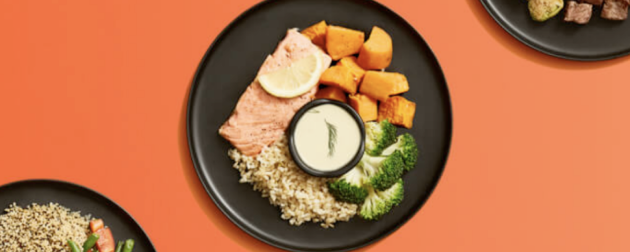
Any diet can be considered healthy depending on the nutritional focus and balance that is paid to the components that may be lost in restriction. When looking at dairy-free diets it’s important to consider the individual components of the diet that may cause the diet to become unhealthy such as loss of nutrients (protein, calcium, vitamin D, phosphorus etc), the replacement ingredients or additives in foods to compensate for the loss of dairy including texture and taste.
The focus should be on the inclusion of foods rich in dairy-alike nutrients without total restriction. As well as the quality and quantity of foods and the suitability to the individual. For those that have an allergy, strict avoidance is necessary, for other individuals that avoid due to sensitivities or intolerances they may be suited to a total avoidance too – whereas those trialling or following trends may not seek benefits from restriction (Y, B et al. 2015).
The focus on dairy has always been its well-marketed benefit of calcium. Calcium is essential for many bodily functions from supporting healthy teeth, bones, muscles, heart and to assisting in forming blood clots within the body. Only one-in-ten Australians meet recommendations for dairy free alternatives currently, most people require 2-3 serves of dairy (or dairy alternatives) per day. These recommendations can alter depending on age, health status, gender, activity levels and so on (Betterhealth 2021).
Following a dairy-free diet is very doable, many dairy-free alternatives have advanced in taste, texture and cost over the years. Many food options are fortified to include nutrients such as calcium making a dairy-free diet less of a risk than may have seemed in the past. Many foods have these nutrients of concern naturally occurring, as well as many products now being fortified with these nutrients. So, with an emphasis on a well-balanced and diverse diet, a dairy-free diet shouldn’t be a huge concern for consumers (Serge Rozenberg 2015). It is important to seek health advice with a trusted health professional before making any dietary changes.
There are many dairy-free calcium-rich foods such as:
- Fish eaten with bones such as sardines, canned salmon
- Tofu and Tempeh
- Nuts and Seeds
- Green leafy vegetables such as kale, okra, spinach.
- Cereals, bread and other baked goods utilising fortified flours
- Drinks, milk, yoghurts and other products fortified with added calcium
- Dried fruits such as figs
Chefgood and Activate Foods are great price-friendly options, starting from around $10.00 per serve.
At this stage, Hello Fresh doesn’t offer dairy-free meals. They don’t specifically cater to allergies, however, consumers could utilise and amend recipes at home using dairy-free options.
Lactose-free products are dairy products that have had the enzyme lactose removed from the food product. Whereas dairy-free food products have no dairy remaining in the food product at all (Edwards and Younus 2020).
No, not necessarily. A vegan diet excludes all animal-derived products, including dairy, eggs, meat etc. Dairy-free diets don’t include dairy however can allow animal products such as eggs, fish and meat.
Before considering making any dietary changes it’s important to consult with a trusted health professional. Excluding dairy in your diet may be advantageous if you have an allergy, sensitivity or intolerance to dairy.
There are no dedicated dairy-free meal kits currently available, however, Dinnerly offers recipes tagged as dairy-free, whilst Marley Spoon may cover consumers needs with their vegan options.
Marley Spoon offers vegan menu options which can accommodate those following a dairy-free diet, who don’t mind missing out on other animal products. Marley Spoon offers two different plans a 2-person box accommodating up to 5 meals, or a 4-person box which also offers up to 5 meals. Consumers can estimate $10.50 per portion of the 5 meals for the 2-person box, or $8.50 per portion of the 5 meals for the 4-person box. They currently deliver to Sydney, Canberra, Melbourne, Hobart, Launceston, Adelaide, Brisbane, Gold Coast, Wollongong, Newcastle and Darwin, with more to come.
Betterhealth (2021). “Dairy and dairy alternatives – Better Health Channel.”
https://www.betterhealth.vic.gov.au/health/healthyliving/Dairy-and-dairy-alternatives
Edwards, C. W. and M. A. Younus (2020). “Cow Milk Allergy.”
https://www.betterhealth.vic.gov.au/health/healthyliving/Dairy-and-dairy-alternatives
Serge Rozenberg, J.-J. B., Olivier Bruyère, Pierre Bergmann, Maria Luisa Brandi, Cyrus Cooper, Jean-Pierre Devogelaer, Evelien Gielen, Stefan Goemaere, Jean-Marc Kaufman, René Rizzoli, and Jean-Yves Reginster (2015). Effects of Dairy Products Consumption on Health: Benefits and Beliefs—A Commentary from the Belgian Bone Club and the European Society for Clinical and Economic Aspects of Osteoporosis, Osteoarthritis and Musculoskeletal Diseases, Calcif Tissue Int. 2016; 98: 1–17.
https://www.ncbi.nlm.nih.gov/pmc/articles/PMC4703621/
Y, D., et al. (2015). “Lactose Intolerance in Adults: Biological Mechanism and Dietary Management.” Nutrients 7(9).
https://www.ncbi.nlm.nih.gov/pubmed/26393648